


DISCOVER
OUR CHARTER
méson Brussels exclusively offers upcycled products. We collect "textile waste" from numerous factories, businesses, and different brands. We do not always have complete information about the materials or chemical compounds used. This charter therefore outlines all the compounds that may be present in our products; if they are not specified, we cannot say for certain.
I. Materials
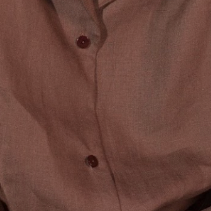
Flax
Featured in our capsule 2, the bedroom
Linen has many properties: antibacterial, antifungal and hypoallergenic.Linen is a natural and therefore biodegradable material. Linen grows mainly in an area between northern France and the Netherlands, so it is a 100% European linen. All the products of the bedroom capsule are GOTS certified, guaranteeing an ecological and socially responsible production method. They are also OEKO-TEX certified.
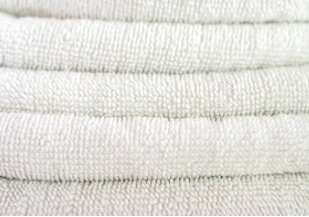
Cotton
Present in our capsule 1, the bathroom
Cotton has many properties: hypoallergenic, absorbent, insulating and heat resistant. Cotton is also a natural material. It is certified "fairtrade cotton", this label guarantees producers a fair price and decent working conditions. All cotton used is GOTS certified, guaranteeing an ecological and socially responsible production method. Our cotton supplier is also a member of the Better Cotton Initiative.
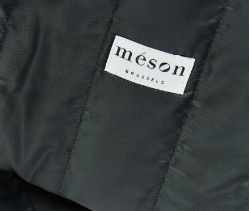
Polyester
Found in some linings and in capsule 3 products.
Polyester has many properties: resistance, elasticity or anti-UV.Polyester is an artificial synthetic material, it represents 70% of synthetic textile fibers used in clothing.This material is polluting and not very recyclable. In an environmental concern, we try to use as little as possible, aware of its negative impact. One of our future objectives is to find alternatives to this material.
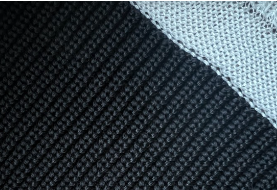
Wool
Found in some of our capsule 4 products.
Wool has many natural properties: insulation, elimination of moisture or hypoallergenic.Wool is a natural material of animal origin. Unfortunately, as this wool comes from large Italian factories manufacturing for very large brands, we do not have more information about it.
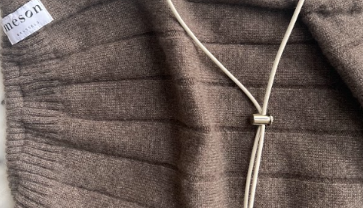
Cashmere
Present in some products of the fourth capsule.
Cashmere has several natural properties: moisture regulator, warmth, softness and insulation. Cashmere is a natural material of animal origin. Unfortunately, this wool coming from big Italian factories manufacturing for very big brands, we don't have more information about it.
II. Traceability
We choose the most local suppliers possible. But it is impossible for us to get only Belgian raw materials. Indeed, Belgian companies tend to relocate, so they don't have any waste to offer us. Fortunately, we met Margherita, our sourcing manager. She allows us to get very good quality fabrics straight from Italy. They come from large textile factories producing a large amount of waste. It is therefore in such places that our impact is the most positive. We are committed to choosing countries with low social risks.
III. Transport
We choose suppliers that are as close as possible in order to minimize energy consumption for transportation.
In addition, we prohibit air transport for our fabrics.
IV. Our Waste
Our long-term goal is zero waste. We therefore minimize our scraps and optimize all our fabrics. However, we still have some scraps, so we use them in accessories. One of our goals is to create new items using micro scraps of meson. That's why we keep them so that we can collaborate with Brussels artists and create home accessories together (rugs, cushions, works of art, etc.).
What's more, we make our products on a pre-order basis, so we don't have any unsold items.
V. Place of manufacture
méson offers 100% Brussels-made products. We regularly call on an independent seamstress in Etterbeek for our clothing. For our accessories, we work with an adapted work company in the center of Brussels. For unique pieces, production is carried out directly in our workshop in the heart of Brussels. As we practice upcycling, we are not responsible for the other stages of fabric manufacturing.
VI. Suppliers
We choose large textile industries as our suppliers. This is because these companies generate the most waste, so this is where we can have the greatest impact. Currently, our two main suppliers are Libeco and Blycolin.
Libeco is a Belgian company that has achieved CO2 neutrality and is also seeking to reduce its energy consumption.
Blycolin is also a Belgian company. Their goal is to reduce their carbon footprint through smart transportation. They also save water and energy, and recycle and reuse their materials as much as possible. Blycolin has been awarded the European Ecolabel. (The EU Ecolabel is a voluntary eco-labeling system designed to promote products with a reduced environmental impact throughout their life cycle and to provide consumers with accurate, non-misleading, and scientifically based information on the environmental impact of products.)
We also have a supplier offering textiles from Italy. More specifically, the factories are located in northern Italy, Veneto, Lombardy, Tuscany, and Piedmont, regions well known for the quality and abundance of their textiles. Indeed, a lot of waste is produced in these factories working for major brands.
VII. Our energy consumption
At la méson, we share our premises with two other companies in order to reduce our ecological footprint as much as possible. As these premises are temporary, we are unable to install renewable energy sources, although this is one of our long-term goals. Our premises are located in the Grand-Hospice, a former hospice that is due to be renovated to create housing. Pending the renovations, the Grand-Hospice provides premises for more than a hundred projects considered to have a positive impact.
VIII. Consumer Health
Our approach is to give different textiles a second life. We regularly collect them from different sources and suppliers. For this reason, we cannot say with certainty what substances are present in our products. However, our fabrics may potentially contain the various substances listed below. As the fabrics have been used before, the amount of these substances will inevitably have decreased.
- Release of microplastics: this can occur when washing synthetic products, including our products containing polyester.
- Presence of pesticides: some products containing conventional cotton may contain pesticides.
- Presence of chlorophenols: some dyed products are impregnated with them.
- Heavy metals: present in some dyes, they make clothes shine. They are released during washing.
- Presence of formaldehydes: may be present in certain synthetic fabrics labeled as “wrinkle-free.”
- Flame retardants: present in certain upholstery fabrics.
IX. Prohibition
We prohibit the exposure of our products/fabrics to certain substances:
- Phthalates: compounds found in decorations, designs, and inscriptions affixed to clothing. Phthalates are hazardous to consumer health. They are endocrine disruptors. Therefore, meson never adds prints to its clothing and never chooses products that contain them.
X. Limit the impact on clothing
To limit the negative impact you may have on clothing, we have a few tips. By following them, you can extend the life of your clothes and limit their impact on your health and the environment.
- Only wash the product when it is dirty.
- Choose clothes made from natural materials.
- Avoid products labeled “wrinkle-free,” “stain-resistant,” “water-repellent,” or “odor-resistant.”
- Choose clothing without plastic prints/patterns.
- Choose second-hand or upcycled clothing.